

Have you ever experienced a moment from a film or television scene that brought you to tears, not from something the character said, but rather the way it looked or affected you? That's the magic of visual storytelling.
In today's world driven by digital content, audiences no longer respond solely on what is being said, they respond to how the experience is being set up and shown. For example, the right light, angle of the camera, and rhythm of the editing can help the audience feel the experience instead of just 'watching' it.
Whether it be feature length films or a short video on social media, emotion is what drives engagement. Research shows that emotionally charged videos are shared twice as much as factual contents. For young filmmakers and editors today, understanding visual language is not optional anymore from what sets apart good videos from unforgettable stories.
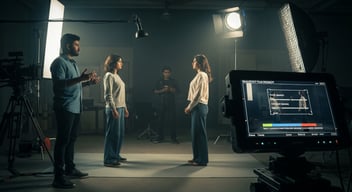
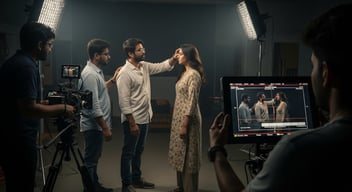
How cinematography shape emotion
Cinematography provides viewers with emotional experiences through the use of color grading, lighting, composition, and camera movement for example, warm colors elicit emotions of comfort and happiness while cool colors produce feelings of sadness or isolation, as seen in films such as Inside Out (2015). Lighting is used to create atmosphere, draw attention to specific elements, and reflect a character's state of emotional being.
- High-key lighting: When the lighting is bright and even, it evokes a positive and cheerful mood, which is typical in a comedy or romantic film.
- Low-key lighting: Influencing the mood with lots of shadows and contrast creates a preferred mood of mystery, suspense, or fear common in thrillers and horror films.
- Backlighting: This lighting situation can make a subject pop out from the background and it evokes a sense of separation or mystery. Camera angles and composition
Composition and framing develop the viewers attention, create visual tension, and express the relations between characters, as seen in Jerry Lewis's The Bellboy (1960).
- High angles: When a camera shoots from a high angle, the character appears small, helpless, or unimportant.
- Low angles: Using a low angle, the character appears powerful, dominant, or heroic.
- Framing and rule of thirds: If a character's eyes are in the top third of the frame, this implies a sense of confidence, while eyes positioned below center implies a sense of vulnerability. "Framing within a frame," such as shooting through a door frame, can create a sense of being physically trapped
Camera movement is tracked, handheld or still can produce feelings of movement, instability, intimacy or isolation. Cinematographers achieve emotional results and forge a strong emotional connection between the audience and narrative by thoughtfully employing these techniques.
- Distant, static shots: The character or subject can evoke a feeling of loneliness or isolation.
- Close-ups combined with dynamic movement: Enables the viewer to feel intimate and immersed, pulling their experiences closer into the character's experience.
- Handheld cameras: Handheld cameras offer a sense of, urgency, or instability depending on the context, or a more realistic feel.
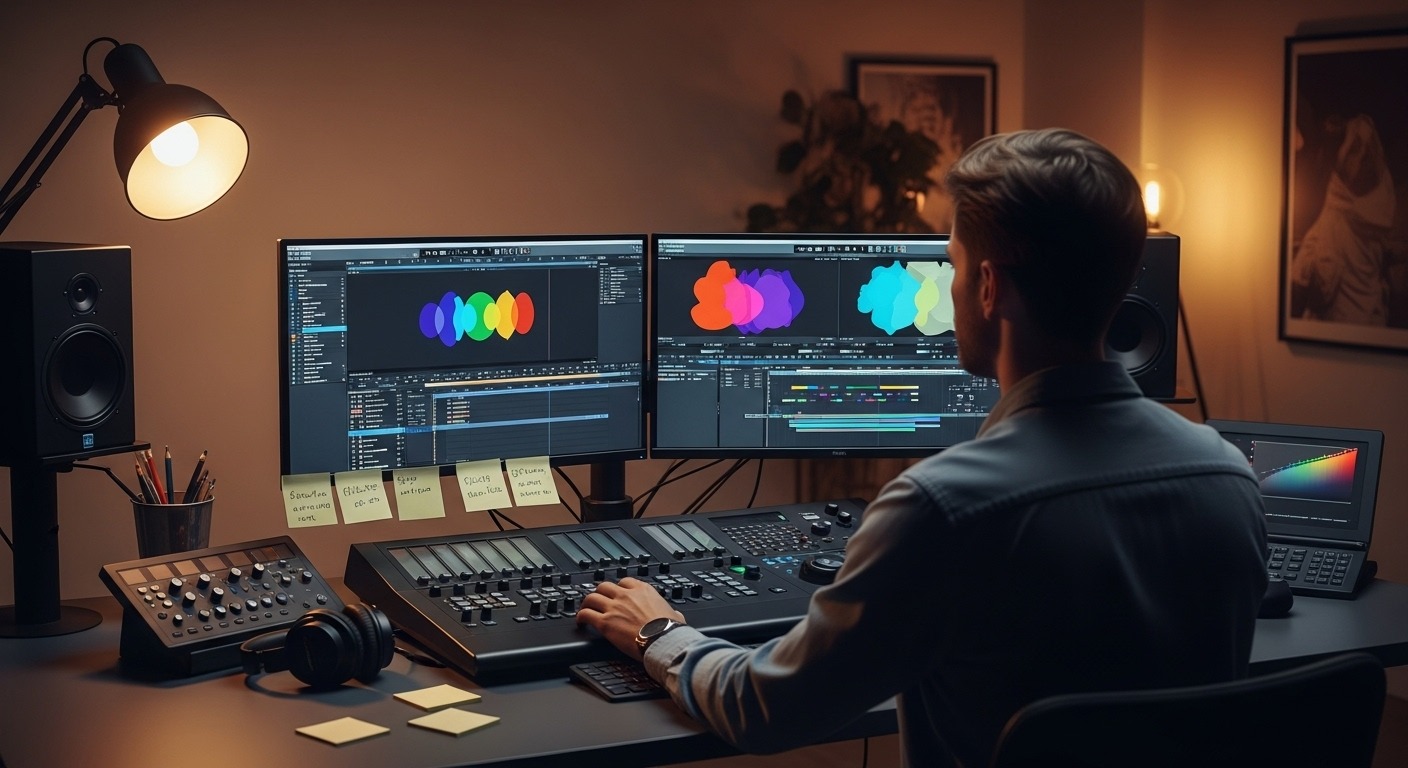
How the editing shape emotion
Film editing is the unseen medium that crafts our experiences of film and is psychologically powerful to the audience. As the great American film director and editor Edward Dmytryk said: "Editing is the creative force of filmic reality."
- Editing is the invisible hand that steers viewers' emotional responses. There are certain editing styles or techniques designed for viewers' emotional connection:
- Close-ups thrust us into a character's interior world, creating intimacy and connection with the person being filmed itself.
- Reaction shots clarify emotional identification by showing the other people in the scene responding in a given circumstance.
- Parallel editing creates tension as well as anticipation, often by cutting back and forth between the "action" that is concurrent but not together for timeline reasons.
- Shots in motion or action across cuts can create a sense of flow and cohesion, where the viewer's emotions build seamlessly.
- The way that sound is utilized in video editing will heighten the emotional nuances as well. The use of silence, sudden stops in audio, and building musical chairs can dramatically alter the emotional quality of a scene.
- Using flashbacks as well as flash-forwards, when employed artfully, can elicit either nostalgia or regret in a viewer’s self-reflection. The simple edit of juxtaposing the past or present through avoidance can create or indicate personal character development or a decline, often in a tragic sense if it raises emotional quality in the viewer's poetic form.
Learning Visual Storytelling at Tijus Academy
Students at Tijus Academy learn more than just how to shoot and edit. They learn how to feel the story before they write it. The Media School’s Cinematography and Video Editing programs are designed to take aspiring creators and turn them into visual storytellers who not only know how to shoot video but also understand the psychology behind every frame.
Learners engage in hands-on design projects, work with mentors with industry experience, and are given authentic film assignments so they can see how visuals, color, and pacing can create emotions for various audiences.
Whether your dream is to make films, music videos, or digital advertisements, Tijus Academy will build both your creative eye and the technical mastery to make your stories unforgettable.
Are you ready to tell stories that move hearts?
[Join Tijus Media school Today]