

Many people today want to become healthier, lose excess weight, and improve their energy levels. However, long working hours, stress, and sedentary lifestyles make it difficult to maintain regular exercise habits.
Lack of physical activity can lead to problems such as poor cardiovascular fitness, low metabolism, reduced muscle strength, and increased stress levels.
This is where Zumba fitness becomes a powerful and enjoyable solution.
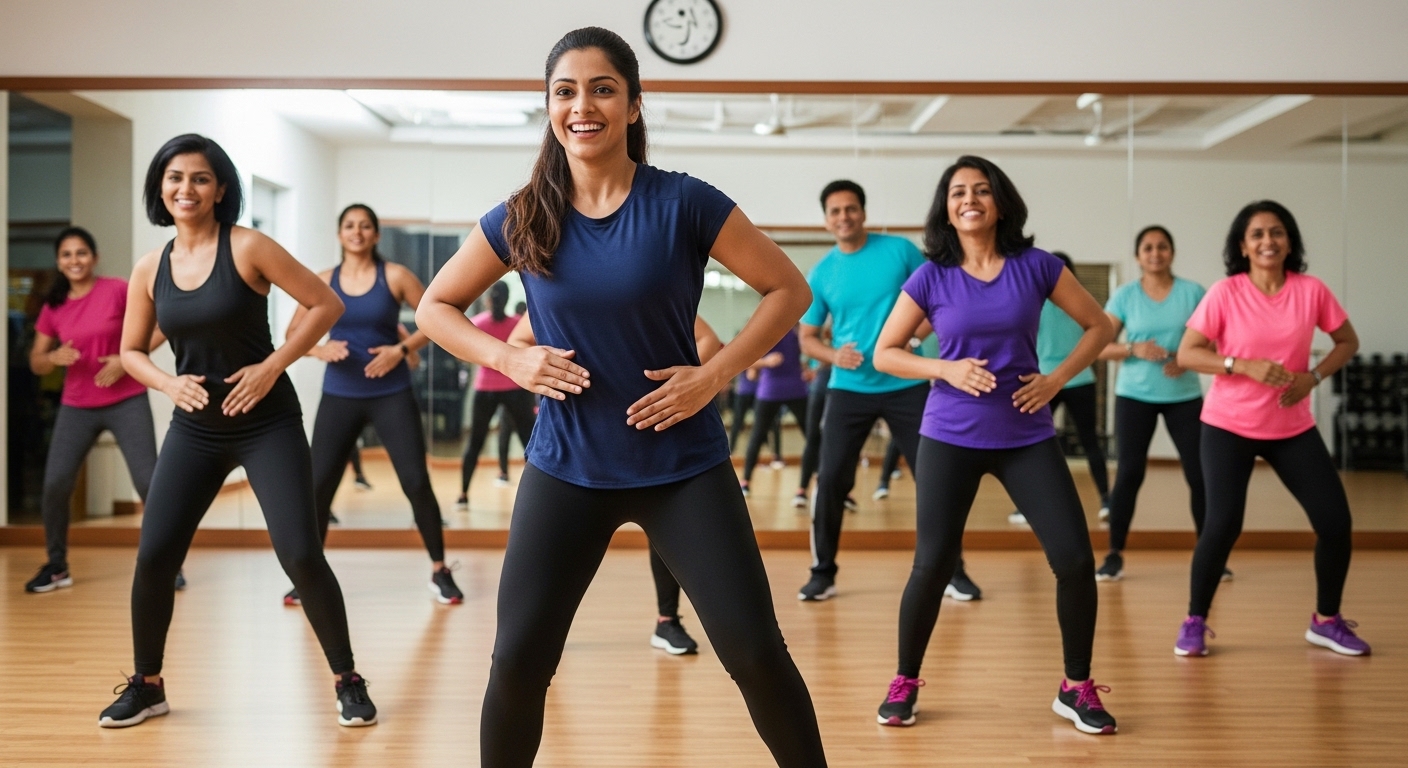
Zumba is a dance-based aerobic workout that combines rhythmic music with continuous body movement. Unlike traditional workouts, Zumba keeps the body active through dynamic dance sequences that engage multiple muscle groups.
From a biological perspective, Zumba activates several important systems in the body, including:
- The cardiovascular system
- The muscular system
- The respiratory system
- The nervous system
Because of this multi-system activation, Zumba offers benefits that go beyond simple exercise. It supports heart function, metabolic activity, calorie expenditure, and mental health regulation.
Zumba as an Aerobic Exercise
Zumba is categorized as an aerobic exercise, which means it requires oxygen to produce energy during continuous movement.
When performing aerobic activities like Zumba:
- The heart rate increases
- The lungs absorb more oxygen
- The muscles use oxygen to produce energy
This process improves the body’s ability to perform physical activities for longer periods without fatigue.
Aerobic workouts are often recommended by health professionals because they improve cardiovascular endurance, metabolic efficiency, and overall physical fitness.
How Zumba Improves Cardiovascular Health?
The cardiovascular system includes the heart, blood vessels, and circulating blood. Its main function is to transport oxygen and nutrients throughout the body.
Regular Zumba sessions stimulate this system in several important ways.
1. Strengthening the Heart Muscle
The heart is a muscular organ that responds to exercise by becoming stronger and more efficient.
During Zumba:
- Heart rate increases
- Blood circulation becomes faster
- Oxygen delivery to tissues improves
Over time, these changes can improve cardiac output, which refers to the amount of blood the heart pumps per minute.
A stronger heart can deliver oxygen to the body more efficiently, improving endurance and stamina.
2. Improved Oxygen Transport
When dancing during Zumba workouts, muscles require more oxygen to sustain movement.
This demand stimulates the respiratory system, causing:
- Faster breathing rate
- Increased oxygen intake
- Improved oxygen exchange in the lungs
The oxygen then travels through the bloodstream to muscle cells, where it supports cellular respiration, the biological process that produces energy.
Better oxygen delivery helps improve physical performance and fatigue resistance.
3. Better Blood Circulation
Zumba movements involve continuous motion of the arms, legs, and core muscles.
These movements stimulate blood circulation by encouraging the heart to pump blood more efficiently through arteries and veins.
Improved circulation supports:
- Nutrient delivery to tissues
- Waste removal from cells
- Healthy functioning of organs
Healthy circulation also contributes to better brain function and energy levels.
Calorie Burning and Metabolic Activity
One of the most attractive benefits of Zumba is its ability to support calorie expenditure and metabolic activity. Calorie burning occurs when the body converts stored energy into fuel during physical activity.
1. Energy Production in the Body
During exercise, muscles require energy to perform movement. This energy is produced through metabolic pathways inside cells.
The body mainly uses:
- Glucose
- Stored glycogen
- Fat reserves
Zumba workouts stimulate these metabolic pathways, helping the body use stored energy efficiently.
2. Increased Metabolic Rate
Regular physical activity can improve the body’s metabolic rate, which refers to how quickly the body burns calories.
Zumba helps increase metabolism because:
- It activates multiple muscle groups
- It elevates heart rate for extended periods
- It requires continuous energy production
An improved metabolism helps the body maintain healthy body weight and energy balance.
3. Full-Body Muscle Engagement
Unlike some exercises that focus on only one part of the body, Zumba activates several muscle groups simultaneously.
Major muscle groups involved include:
- Quadriceps and hamstrings (legs)
- Gluteal muscles
- Core muscles
- Shoulders and arms
This full-body activation increases total energy expenditure, making Zumba an effective calorie-burning cardio workout.
Zumba and the Nervous System
Exercise also influences the nervous system, which controls movement, coordination, and emotional responses.
Zumba combines music, rhythm, and coordinated movement, which stimulates brain activity.
1. Release of Endorphins
Physical activity triggers the release of endorphins, which are neurotransmitters produced in the brain.
Endorphins help:
- Improve mood
- Reduce perception of pain
- Create feelings of happiness
This is why many people feel emotionally refreshed after a Zumba session.
2. Reduction of Stress Hormones
Exercise can help regulate stress hormones such as cortisol.
High cortisol levels are associated with:
- Mental fatigue
- Anxiety
- Poor sleep quality
Zumba helps balance stress hormones by promoting relaxation and physical activity.
3. Improved Brain Function
Dance-based exercise requires coordination between the brain and body.
During Zumba, the brain processes:
- Music rhythm
- Movement patterns
- Balance and coordination
These activities stimulate neural pathways, supporting cognitive function and motor coordination.
Respiratory Benefits of Zumba
The respiratory system includes the lungs and airways, which are responsible for oxygen intake.
Zumba increases breathing rate during exercise, improving lung capacity and oxygen utilization.
Over time, this can improve:
- Breathing efficiency
- Oxygen supply to tissues
- Physical endurance
Better respiratory efficiency helps individuals perform daily activities with less fatigue.
Mental Well-Being and Emotional Health
Beyond physical health, Zumba plays an important role in mental wellness.
Music, rhythm, and social interaction create a positive emotional environment.
Many participants report feeling:
- More energetic
- Less stressed
- More motivated to stay active
Group classes also create a sense of community, which supports emotional health and motivation.
Why Zumba Is Sustainable for Long-Term Health?
Many fitness programs fail because people lose motivation quickly.
Zumba’s biggest advantage is enjoyment. Because participants focus on dancing and music rather than repetitive exercise, they are more likely to stay consistent.
Consistency is the most important factor for achieving long-term improvements in:
- Cardiovascular health
- Metabolic efficiency
- Physical fitness
- Mental well-being
Why Choose Tiju’s Zumba?
The focus is not only on dance but also on healthy lifestyle development.
Participants experience:
- Structured Zumba workouts
- Energetic group sessions
- Motivating and supportive environment
- A fun approach to fitness
Whether someone is a beginner or already active, Zumba sessions at Tiju’s Zumba provide a balanced combination of cardio exercise, movement, and enjoyment.
Conclusion
Zumba is more than a dance workout. It is a scientifically supported aerobic exercise that activates multiple biological systems in the body.
Through regular participation, Zumba can help:
- Strengthen the cardiovascular system
- Improve metabolic activity
- Burn calories efficiently
- Support respiratory health
- Enhance mental well-being
Most importantly, it transforms exercise into an enjoyable experience that people look forward to.
Ready to feel healthier, happier, and more energetic?
A healthier body and a happier mind start with one step.
Come and experience the energy, music, and positivity at Tiju’s Zumba.